Fit Finder
We’ve wasted money on underwear that strangled our thighs and rode up before lunch. Waist-size shopping is the reason, it ignores the measurements that actually keep a pair in place. The Fit Finder fixes that by translating three actual body measurements into specific brand-size combinations that fit your thighs and stay put.
Enter your waist size, thigh measurement, and primary activity below to get ranked recommendations.
Why Your Waist Size Is the Wrong Starting Point
Most underwear brands scale every pattern dimension from a single waist measurement. They assume your thighs, seat, and rise all grow in lockstep with your waist. They don’t. A 32-inch waist with larger thighs needs a completely different leg opening and seat depth than a 32-inch waist with slimmer thighs. The fabric has to clear a much bigger circumference, and if the pattern doesn’t account for that, the stretch just turns into pressure.
We bought mediums from three premium brands in one month and not one pair fit the same. One strangled our thighs, another sagged in the seat, and the third fit like a large everywhere but the waist. That month bought us a spreadsheet column labeled “inconsistent sizing” and the conviction that waist-size-only shopping is a tax on athletic builds. The Fit Finder widget below replaces that guessing with a three-input system: waist size, thigh measurement, and primary activity. It outputs ranked brand-size combinations that match how you’re actually built.
How to Measure Your Thigh for the Fit Finder
You need three numbers, not one. The widest point of your thigh limits which leg openings will work, but the taper from quad to knee matters too. A thigh that measures 24 inches at the top and 18 inches just above the knee will interact with a leg band differently than one that stays thick all the way down.
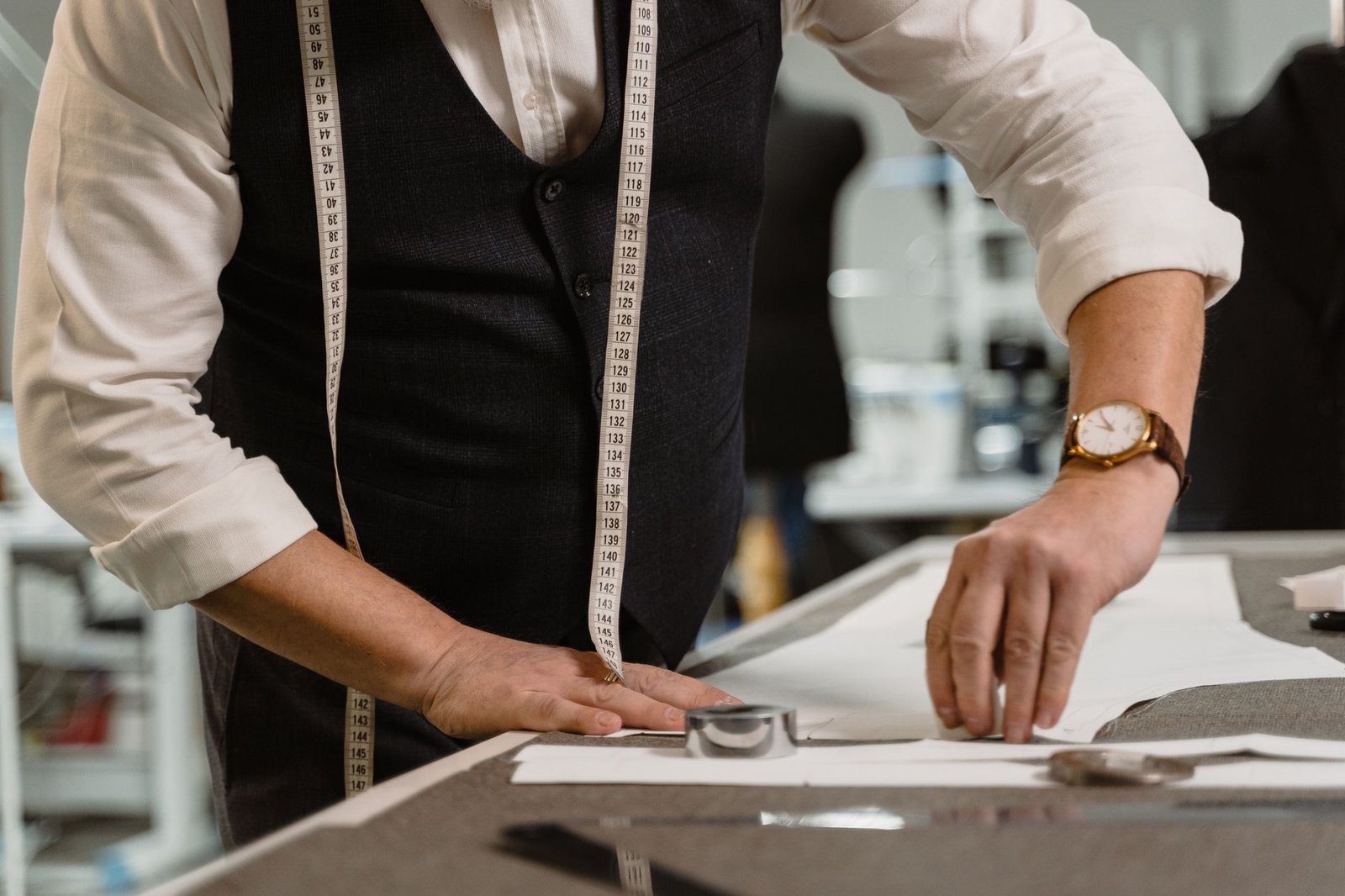
Stand with feet shoulder-width apart and weight evenly distributed. Use a soft tailor’s tape, not a metal tape measure. Wrap it around your thigh at three points: the widest circumference (about 12 inches below your waistline), the mid-thigh, and just above the knee. Keep the tape parallel to the floor and snug but not compressing. Record all three numbers. The largest of the three is the one that determines whether a leg opening will grip or slide.
Expert Tip: The widest point is usually 12 inches below your waistline, not at the crease where your thigh meets your hip. Measuring too high gives you a leg opening that pinches.
12 inches down from the waistline, the tape slipped on one tester’s quad when he shifted his weight to his right leg, the reading jumped half an inch. That largest number is what the Fit Finder uses to match you to a leg opening that stays put.
What Your Results Mean
The Fit Finder outputs one of three recommendations for each brand-size pair. ‘True to size’ means buy your actual waist size, the brand’s leg pattern already accounts for your thigh measurement. ‘Size up’ means the waistband runs small or the leg is cut slim, so your waist size would strangle your thighs. ‘Try the athletic fit line’ means the brand makes a separate pattern with extra room in the seat and leg without scaling the waist.
Activity level shifts the ranking. If you select desk work, the tool prioritizes waistband comfort and fabric that won’t dig after eight hours of sitting. If you select training, it weights leg grip and moisture management higher. A pair that ranks first for a cyclist might drop to third for someone who walks a mile to the office.
Key Takeaway: A ‘size up’ recommendation in one brand can be a ‘true to size’ in another. The Fit Finder accounts for these inconsistencies so you don’t have to guess.
I expected the size-up recommendation to be a cop-out, just a way to dodge the fact that no medium fits. But the first time I tried a pair labeled ‘true to size’ in an athletic fit line, I realized I’d been buying the wrong size for years. The ALPHX Athletic Fit added 1.5 inches of leg room without changing the waist measurement, and my actual 34-inch waist fit perfectly. I had been sizing up to large in standard cuts to get the leg room, then dealing with a loose waistband that folded over by lunch. The tool’s categories exist because brands don’t agree on what a medium is. We map those differences so you don’t have to.
Common Fit Problems We Built This Tool to Solve
Ride-up is the most common complaint we hear from men with athletic thighs. When the inseam is too short or the leg opening too tight, the fabric migrates upward with every step. A six-inch inseam that sits flat on a slimmer thigh will roll into a bunch on a thicker thigh within a block.
Waistband fold-over happens when you size up to accommodate your thighs. The larger waist gapes, and the band rolls down under a belt. You trade one problem for another.
Thigh chafing comes from synthetic blends with poor recovery. The fabric stretches thin across the quad, loses its shape, and creates friction hotspots. A pair that felt smooth at 8 AM can leave a raw patch by noon.
Pouch collapse is less obvious but just as annoying. A pouch designed for average proportions flattens when there’s more mass in the seat pulling the front panel back. The result is a fit that feels fine standing up and wrong the moment you sit down.
Watch Out: We learned the hard way that a longer inseam doesn’t always fix ride-up. An eight-inch pair with a narrow leg opening bunched worse than a six-inch pair with a wider thigh circumference. Inseam length and leg opening width both matter.
On a humid July afternoon, we wore an eight-inch boxer brief with a straight-leg cut and a narrow opening. The extra fabric pooled behind the knee and rolled into a tube within a block. A six-inch pair with a wider leg opening stayed flat. We learned that inseam length without leg-band tension is just extra material waiting to become a rope. The Fit Finder cross-references your thigh measurement against both inseam length and leg opening width, so the recommendation accounts for that interaction.
How We Turn Measurements Into Brand Recommendations
Every pair in the Fit Finder database has been worn and washed enough times to reveal how it holds up. Fabric pilling, waistband recovery, and leg grip all change after a few cycles, and we log those changes before a pair earns a recommendation.
Brands with dedicated athletic-fit lines get priority ranking for thigh-heavy builds. A separate pattern that adds leg room without scaling the waist, like the ALPHX Athletic Fit’s 1.5-inch increase, solves the problem at the design level.
Stretchier fabric alone can’t compensate for a pattern that was never cut for your dimensions. Sizing is inconsistent across premium brands; a medium in Saxx, Tommy John, or Mack Weldon can fit like a large elsewhere, so we verify every pair’s actual measurements before it enters the database.
Each recommendation includes inseam length, fabric weight in grams per square meter, and pouch type. We favor boxer briefs with an 8-inch inseam because that length accommodates thicker thighs, prevents ride-up, and reduces chafing. Price tracking runs in the background, and if a recommended pair drops in price, we flag it.
Expert Tip: If you’re between sizes on the Fit Finder, default to the larger thigh measurement. A slightly loose waistband can be fixed with a tighter belt notch. A thigh band that strangles your quad cannot be fixed.
Pulling on a pair with an 8-inch inseam, I felt the hem lock in place just above the knee, no creeping, no bunching, just a clean line that held through a full day of walking. That’s the kind of detail the Fit Finder algorithm is built on. The tool doesn’t guess. It matches your measurements to pairs we’ve already put through the same wear-and-wash cycle you’ll put them through.
Take the three measurements, run the Fit Finder, and buy the top-ranked pair in your size. If it doesn’t fit, we’ll update the database. That’s the only way a recommendation engine gets better.
Keep reading: Best Men’s Underwear Subscription Box Comparison