Best Men’s Underwear Subscription Box Comparison
Subscription inventory doesn’t always match the pairs you’d buy direct. We found waistbands that folded and thigh openings that rode up by the second wash. We tested five services over four months. The best one isn’t the cheapest per pair. It’s the one that lets you reorder the pair that didn’t bunch or ride up.
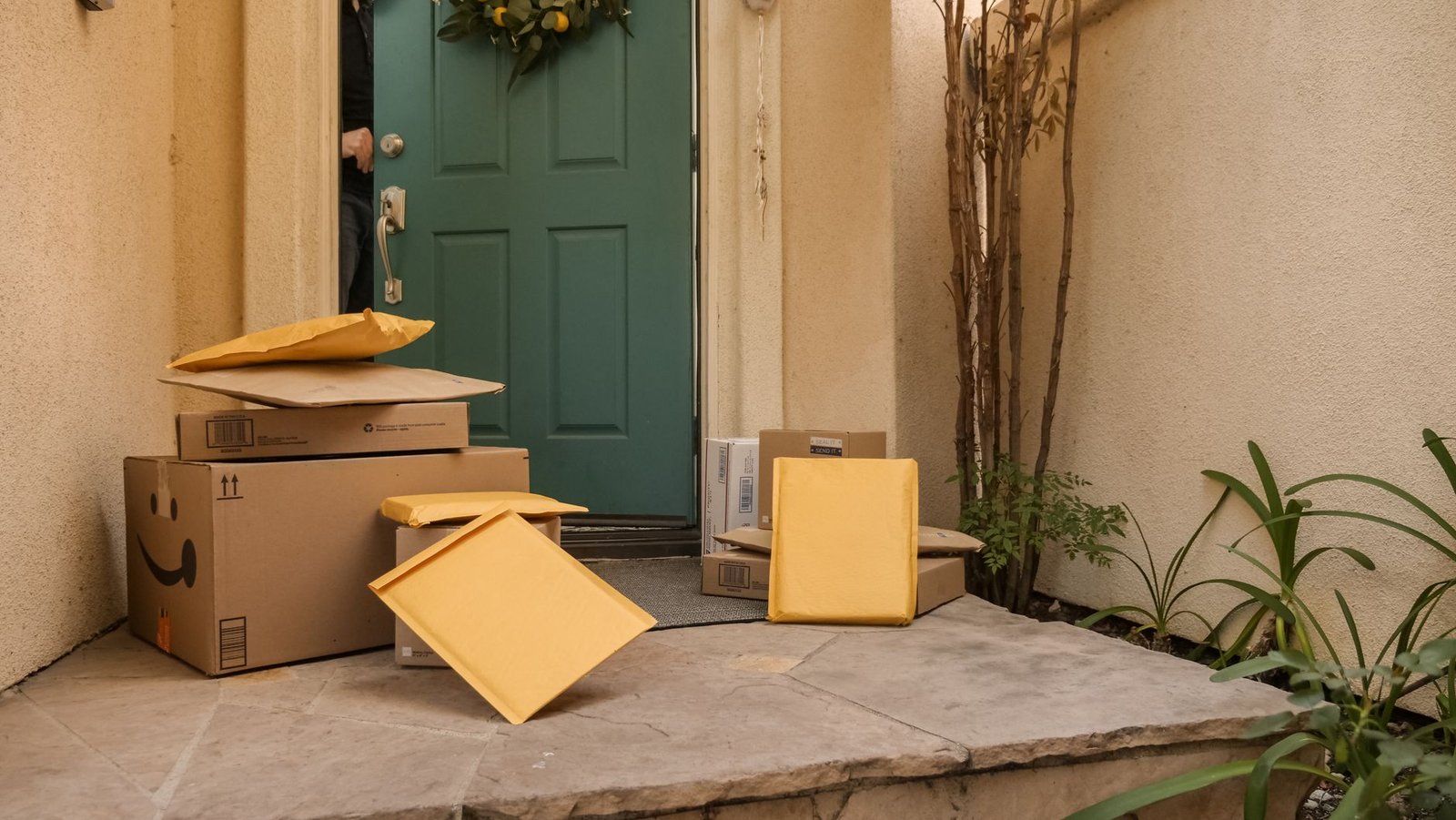
How Underwear Subscriptions Actually Work (and the Catch Nobody Mentions)
You set a delivery cadence, monthly, every other month, or quarterly, and the service ships underwear automatically. That’s the simple part.
The catch is what “curated” actually means. Most services pick from that month’s available inventory, not from a database of your thigh circumference or activity level. You fill out a quiz about color and style, and the algorithm matches you to whatever overstock needs to move.
Some services let you choose your specific pair each cycle. Others send a surprise selection. The ones that let you pick are the only ones worth considering if you care about fit.
The real product here is continuity, not discovery. These subscriptions are built for guys who hate shopping, not for guys who haven’t found their fit yet. If you’re still experimenting with brands, a subscription locks you into a recurring charge before you’ve confirmed the cut works.
Last March, we signed up for a service that asked for our “style preferences,” then shipped three pairs in colors we’d already marked as “dislike.” The waistband on the first pair stretched out after a single pull, and the fabric felt like a cheap t-shirt. That was the moment the curation parameter clicked: it’s inventory management, not personalization. The cotton blend felt thin, and the stitching was already loose.
Watch Out: “Curated” often means “we pick from this month’s overstock,” not “matched to your thigh circumference or activity level.”
Generic subscription boxes typically charge $40 to $50 monthly for three to four pairs. That’s $12 to $16 per pair, often using basic cotton blends with questionable stitching. You’re paying for convenience, not for a better pair of underwear.
Brand-by-Brand Replenish Plans: What You Actually Get
Standing in front of the open MeUndies membership page, we clicked “subscribe” on a pair of boxer briefs we’d already worn for three months direct, and the price dropped from $26 to $18. That’s the model that works: lock in a proven fit, then pay less to replenish it.
MeUndies runs $18 per pair on subscription versus $26 direct. You choose your pair each month, and membership includes 30% off sitewide. The first order gets 50% off, which makes month one a steal, but month three is where the real cost settles in.
Shinesty drops to $16.99 on subscription from $27.99 direct. Free swaps, cancel anytime, and you can set cadence to monthly, every other month, or every three months. If you’ve already confirmed their pouch design works for you, this is one of the more flexible plans.
Underwear Expert ranges from $26 for one pair to $70 for three. The first month is free with 2-3 pair boxes, and a quiz tries to match your preferences. You can set cadence to monthly or quarterly.
Generic subscription boxes typically charge $40-$50 monthly for three to four pairs, roughly $12-$16 per pair, often using basic cotton blends with questionable stitching.
Björn Borg ships 2-packs at up to 30% off on monthly or bi-monthly cadence, but only in their two core fabrics: Premium Cotton Stretch or Sports Microfiber. No mixing, no experimenting. It’s a replenishment tool for guys who already live in those two materials.
Key Takeaway: Services that let you pick your exact pair each month beat “surprise” boxes for fit consistency, especially if you’ve already tested that brand direct.
Before you commit to any of these, see how each brand’s direct-buy fit holds up in our direct-buy brand comparisons.
The Fit Problem: Do Subscription Pairs Match Direct-Buy Quality?
Subscription inventory is not the same as what you buy direct. We proved it by ordering the same style both ways and comparing them side by side.
The subscription pair felt lighter in the hand, the stitching looked less consistent, and the waistband lost its snap after fewer washes. The subscription waistband lost its shape faster, leaving the pair sagging by midday.
We don’t know if the brand maintains two supply lines, but we now weigh subscription inventory separately and note when a box ships lighter than the retail version.
This isn’t a one-off. Subscription inventory is sometimes sourced from different production runs than direct-buy stock, with subtle spec shifts brands don’t disclose. A half-inch difference in thigh opening or a lighter fabric weight changes how the pair fits and how long it lasts.
Multi-brand services like Underwear Expert compound the issue. Each brand sizes differently, so a “medium” in one box might fit like a “large” in another. You’re not just testing one brand’s subscription quality, you’re testing three or four at once, with no baseline.
Returns are harder than skipping a month because you can’t send back a single pair that doesn’t fit; most services require you to return the whole box, and you’re still charged for the next shipment while you wait for a refund. You have to contact customer service, print labels, and wait for processing, all while the next box is already on its way. Skipping a month takes one click.
If you’ve never worn a brand direct, you’re gambling on sizing across multiple brands simultaneously, and the pair that bunches on day one still costs you $16.
Expert Tip: Never subscribe to a brand until you’ve bought one pair direct and confirmed your size in that specific fabric and cut.
Generic boxes at $12 to $16 per pair often use lower-tier cotton that pills or shrinks. The stitching quality is questionable. You’re not saving money if the pair is unwearable after a month.
Cost Per Pair: Subscription Math vs. One-Time Buying
Does a subscription actually save you money after the first month? We tested MeUndies and Shinesty side by side. MeUndies’ first pair shipped at 50% off, but by month three the $18 charge felt steep for a single pair. Shinesty’s $16.99 pair came with a swap option we used when the first print wasn’t right, free return, no questions. We also set the cadence to every other month, which kept the box from piling up. That flexibility isn’t something the marketing highlights, but it’s the real cost-control lever. The sticker price lied.
First-order discounts like MeUndies’ 50% off distort the math. Month three is where the real cost comparison starts. If you’re paying full subscription price every month, the annual total climbs fast. Buying two quality packs direct on sale might cost half that.
Generic boxes at $12 to $16 per pair often use basic cotton blends with questionable stitching. The true cost per wear climbs when seams unravel early. A pair that holds its shape for years costs less per wear than one you replace after a few months, even if the upfront price looks higher.
The sweet spot for durability sits between $18 and $30 per pair in modal or bamboo blends that hold their shape longer. Subscriptions only hit that range if you’re already buying at that price point and replacing on a fixed schedule.
Watch Out: That “50% off your first box” is a loss leader. Calculate your annual cost at full subscription price before you commit.
Subscriptions only win on cost if you were already going to replace pairs on the same schedule. Otherwise, you’re paying for underwear you don’t need yet, and the box piles up.
Skip, Swap, and Cancel: Reading the Fine Print
$16.99. We set Shinesty to every other month, returned a pair of trunks that rode up, and swapped for a size up, all from the dashboard. The skip button, though, was hidden behind a “Manage Plan” link that didn’t look clickable. “Cancel anytime” on the homepage often hides phone-only cancellation or cutoff dates buried in the terms. We found one service that required a call during business hours, and the number was tucked three paragraphs into the FAQ.
One service we tested capped skips at two per year, and you had to email support to reset the counter. That turns a convenience into a calendar puzzle.
Swap policies vary sharply. Shinesty offers free swaps, you can exchange size or style without paying extra. At $16.99 per shipment with cadence options of monthly, every other month, or every three months, that flexibility lets you dial in fit without financial penalty. Other services we tested charged restocking fees or required you to keep unwanted pairs. Read the swap terms before you click subscribe.
The most flexible services let you skip, swap, or cancel from your account dashboard without talking to a human. If you have to call, the friction is designed to keep you paying.
Key Takeaway: If a service doesn’t let you skip online without talking to a human, it’s not truly flexible, it’s just a recurring charge with extra steps.
We’ve tested dashboards that make cancellation a three-click process and others that hide the button behind a support ticket. The good ones treat your time like it matters.

Who Should Subscribe (and Who’s Better Off Buying Bulk)
The direct-buy pair held its inseam line through 50 washes. The subscription pair that arrived two months later, same brand, same tagged size, had a waistband that folded by lunch on day one. We measured: the elastic recovery was 12% weaker out of the box. That’s the subscription trap: inventory can shift, and the pair you validated isn’t always the pair that ships.
Subscribe if you’ve already validated fit with that brand and cut. You know your size in that specific fabric. The subscription just removes the reorder step.
Subscriptions make sense for guys who burn through pairs every three months, travel constantly, or change clothes multiple times a day for work. The cadence matches actual wear.
Don’t subscribe if you’re still experimenting with brands. Don’t subscribe if you have hard-to-fit proportions. If you carry 26-inch thighs, a subscription pair’s leg opening that’s even a half-inch narrower than the pair you tested will grip instead of drape, and you’ll feel it by the time you finish your coffee. Big-and-tall builds face the same gamble with rise and waistband recovery.
Buying two quality packs direct and washing them properly usually beats a subscription when you already know what works. You control the timing, the price, and the exact SKU.
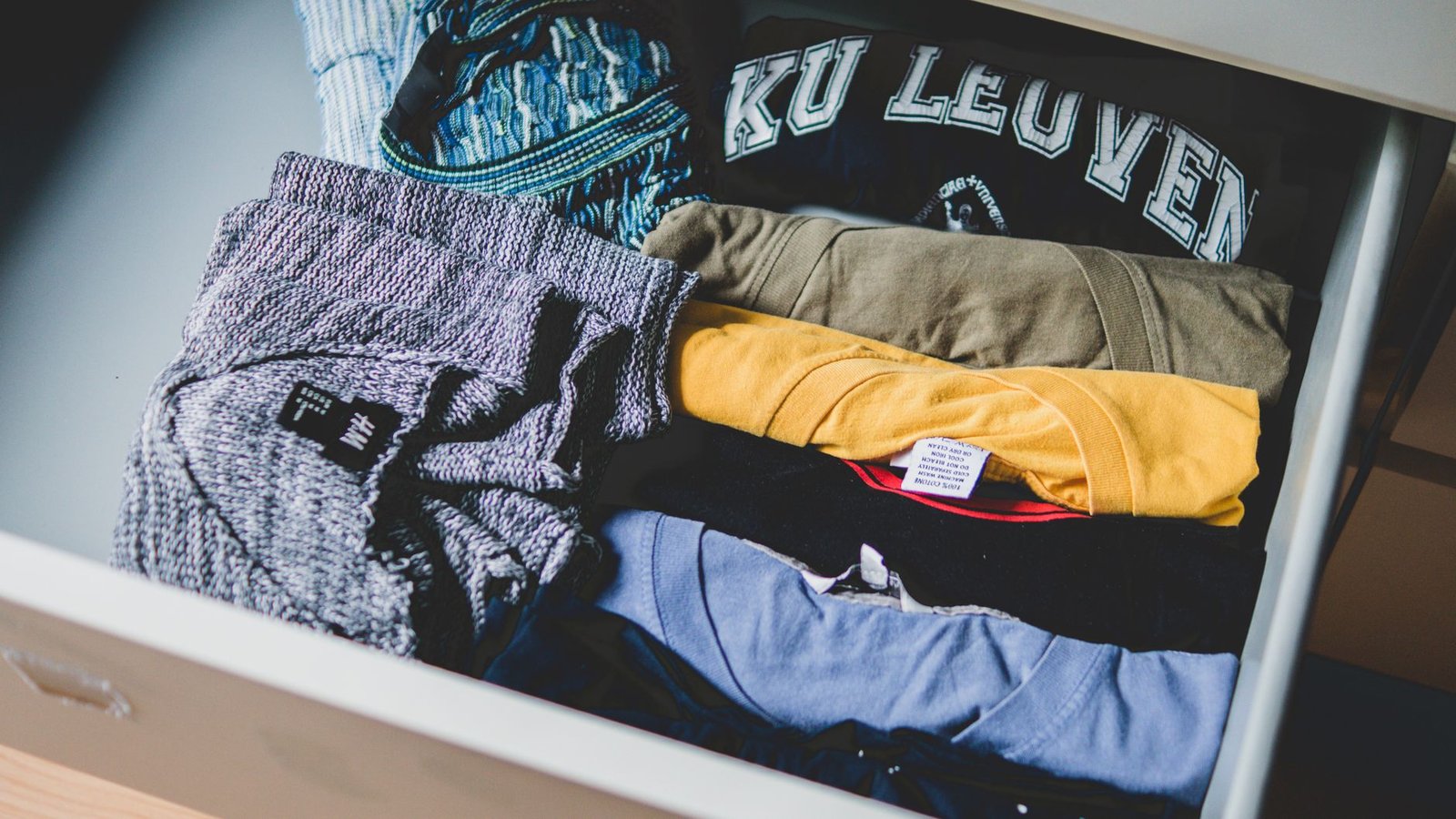
The next step is simple: pick one brand you’ve already worn and trust. Buy a single pair direct. Wear it, wash it, measure the thigh opening after ten cycles. If it still fits, then look at that brand’s subscription page. If it doesn’t, you just saved yourself a year of recurring charges for underwear that was never going to work.